






Why ‘Doing Less’ Is Trending
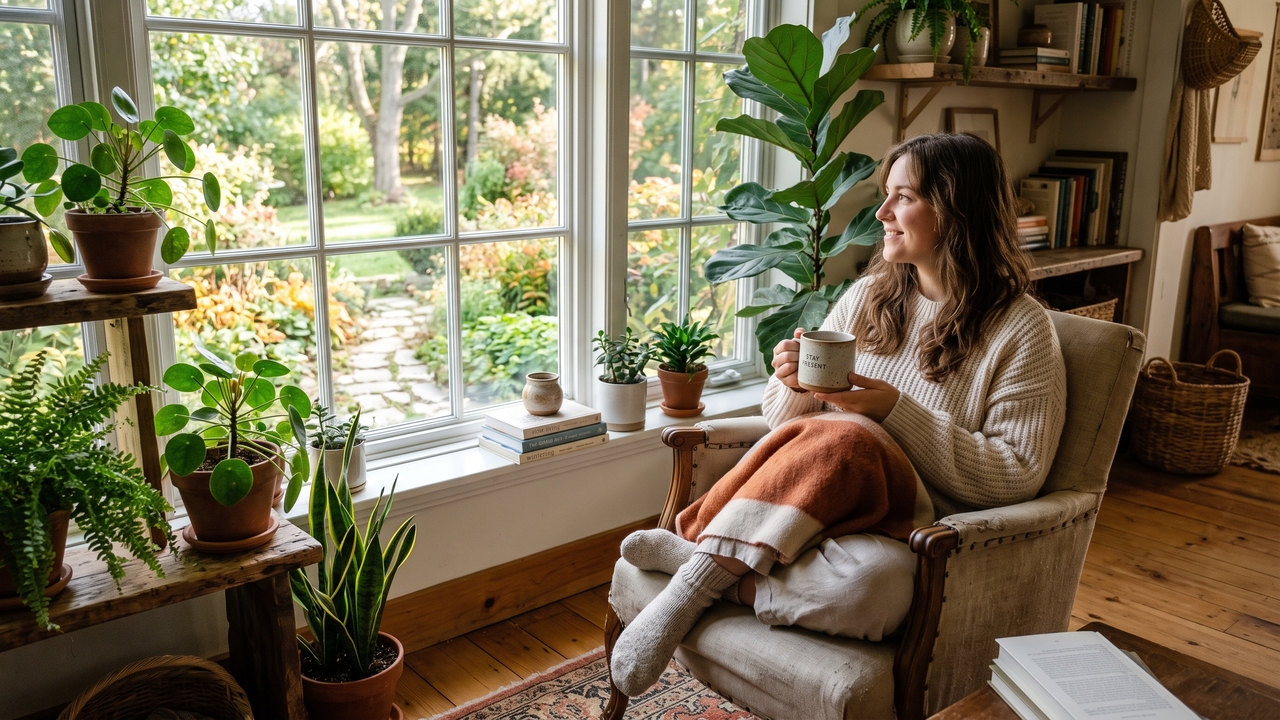
For years, going above and beyond was glorified. In work, childcare, home management, hobbies – all the key elements of our lives. At the same time, economic and social shifts have made this harder to achieve, with everyone worse off financial and constantly connected by the internet and social media. It’s no wonder that millennials have been called the burnout generation, raised to earn success but unable to reach promised rewards such as a home of their own without help.
As an act of both defiance and acceptance of the situation, millennials and Gen Z are doing less. Working to burnout is no longer cool; life is centred around slow living and selfcare. And it seems living intentionally is good for us, with wider benefits to boot. Here’s exactly why ‘doing less’ is trending and how to embrace it in your own routines.
1. Escaping productivity pressure
Many of us struggle to switch off, hounded by a feeling that we should be doing and constantly striving for more. With burnout increasingly common, it’s clear that this self-prescribed productivity pressure is a red flag. Part of doing less is accepting our worth outside of work and recognising the importance of rest in balancing all aspects of our welfare.
Let go of perfectionism and be intentional with building rest into your routine. Schedule downtime just as you would appointments and resist using these free windows to complete tasks like cleaning or catching up on admin. The aim is to reframe rest as essential downtime rather than something to feel guilty about.
2. Managing digital fatigue
So much of our lives are digitalised. Admin is managed online; apps are gamified; appliances are smart, and your smartphone goes wherever you go. And that’s before you consider how much screentime you might be getting at work, too.
This dependence can lead to daily and long-term fatigue, which is driving people back to screen-free pastimes and simplified digital media like online slots in classic formats and traditional puzzles and mind games, which are familiar and easier to follow. Doing less with screens and choosing less complicated activities when online will help ensure leisure time is truly restorative.
Improving overall efficiency
Doing less often sounds counterintuitive in a culture that celebrates constant effort. In reality, it can increase efficiency in the long run. A trial of the four-day working week in the public sector in 2025 found that worker productivity increased overall.
Fighting the desire to ‘do the most’ also improves how efficient you are with your leisure time, thus giving you more capacity for the things that matter most. For example, accepting that your home doesn’t have to be magazine photoshoot-perfect for every visitor makes it easier for you to fit in time with friends and family.
Before taking on a new commitment, consider what you would need to reduce or remove to make room for it. This simple habit encourages deliberate choices rather than automatic yeses. Over time, you may find that fewer commitments create more space for quality work, meaningful relationships and genuine rest.
Embracing mindful living
When every minute serves a purpose, you rarely have the opportunity to notice the moments that make daily life enjoyable. People are embracing the concept of slow living, the art of living more mindfully, taking time to notice details and be grounded in the moment to experience life more fully.
A mindful approach does not require lengthy meditation sessions or dramatic lifestyle changes. Instead of having a packed itinerary or simply focusing on getting from A to B, leave yourself room to breathe and make every moment intentional, from the daily walk to work and your evening meals to meetings with loved ones. Get outside more often. These small shifts will help you find and drink in the joy that’s right in front of you and maintain perspective in your life.
Reclaiming intentional downtime
Choosing to do less is not about giving up on your passions; it is about being deliberate with where you spend your mental and emotional energy. When you strip away the pressure to constantly optimize every hour, your free time can finally become a genuine source of rest and connection. Rather than losing hours to draining social feeds or high-stress environments, leaning into curated, positive spaces like gametree.me allows you to find like-minded companions and unwind on your own terms. Taking control of your schedule begins with small, conscious boundaries that protect your peace.