






From Smarter NPCs to AI-Generated Worlds: The Next Evolution of Gaming
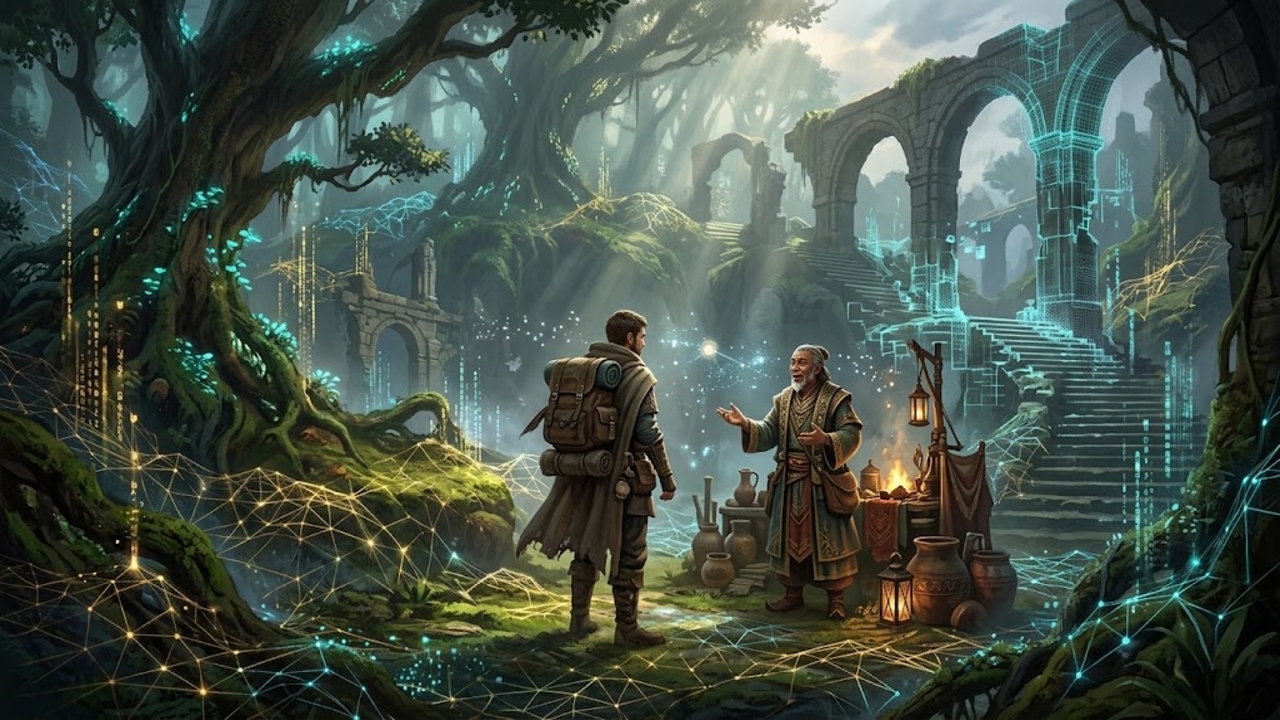
For centuries, there’s been nothing new about travelers being able to venture into worlds different from reality through video games. They can be adventurers, create entire cities, help solve mysteries, and visit with fictional characters. As technology advances, these experiences are becoming more dynamic and personalized. Artificial intelligence (AI) is transforming the landscape of game development and player interaction, offering a range of possibilities that include more realistic characters, environments, and gameplay experiences.
Most games were traditionally based on scripts that had to be carefully written. Dialogue was repeated, enemies were consistent and the environment changed very little depending on the choices made by the characters. AI is starting to break through these restraints and bring virtual worlds to life and interact with users.
How AI Is Making NPCs Smarter
Non-player characters (NPCs) play an important role in video games. They give info, challenges, quests, and populate fictional worlds. Typically, however, the NPCs are scripted to say specific things and behave in specific ways. After a player gets a feel for the patterns, interactions can become repetitive.
With AI, these characters can be more responsive. Rather than a controlled subset of the scripted dialogue, players could ask questions in their own words and get answers that reflect the character’s personality, background and knowledge of the game world.
More Natural Conversations
Now imagine that you are playing a role play game, and a village merchant recalls that you had also helped in protecting the village before. On the return trip the merchant realizes that you have contributed and provides other information or rewards. If you’ve been a nuisance to another character many times, they may not react to you favorably.
The interactions can add a layer of realism to characters, and provide a greater feeling of agency for the player. AI can also provide the opportunity to tailor the personalities of characters created by the developers, even letting players interact with them differently in order to influence their conversation.
AI-Generated Worlds and Environments
The role of AI in creating virtual environments is also evolving. The landscape, buildings, objects and other elements are traditionally designed by the developer / artist manually. Games can create massive environments already using a set of rules for procedural generation, but AI might be more flexible.
For instance, developers might be able to create variations of a fantasy village, a futuristic city, or an abandoned underground settlement using the help of AI-assisted tools. They didn’t have to spend hours making every detail by hand, they could play around with various designs and tweak them to suit the game’s ambience.
Environments That Respond to Players
Simply more interesting would be the AI-generated environments reacting to player decisions! Think of a survival game where trees are chopped down and slowly transform the forest, or a strategy game in which a community affects surrounding roads and terrain.
These features may help to create a sense of immersion for players as they explore the worlds. They would have an outcome that is visible to them and not just aiding them in meeting objectives in an unchanged context.
But, producing content is not enough. The developer is responsible for maintaining consistency of the environment visually, a logical design, and fun to explore. While random-generated content should enhance gameplay, not confuse it.
Personalized Gameplay and Adaptive Challenges
AI can also tailor games to individual players’ styles. For a traditional difficulty setting, there are typically a few options available, such as easy, normal, and hard. These are helpful, but not necessarily a reflection of difference in experience and preferences.
Playable AI systems could be designed to learn from the player’s actions and adapt their difficulty level. When a player has a recurring battle with a specific opponent, the game may offer more supplies or add an increased level of difficulty. The scenarios may become more challenging for more advanced players.
Quests and storylines may also be affected by the personalization. An explorer might find other places, a combat player might find more difficult fights.
It wouldn’t just be to make games easier. It would be good to develop experiences that are interesting and rewarding to various types of players.
How Generative AI Is Transforming Game Development
AI isn’t only altering the experience of players. It is also shaping the way games are being developed. It takes the work of various individuals, such as writers, designers, programmers, artists and sound engineers to develop a modern video game. These teams can benefit from generative AI tools that can assist them in generating ideas and finishing some tasks more effectively.
For instance, an AI can suggest ideas for character concepts, generate initial sketches and visuals, draft dialogue, and arrange storyboards. Language models can be very helpful in the early creative phase. ChatGPT and other OpenAI models can help game developers brainstorm quest ideas, build more detailed character backgrounds, and experiment with different dialogue options before incorporating them into a game’s story.
For example, a fantasy adventure writer might generate a list of possible motivations for a character supporting a protagonist and then select the one that best suits the narrative. For instance, a writer developing a fantasy adventure could generate various motivations for a supporting character in the story, then choose from the list that best fits the overall storyline.
Opportunities for Independent Developers
The tools may be particularly useful for independent game studios. Smaller teams, as opposed to big companies, may not have a large budget and a variety of specialists. AI-powered processes may be able to support them in refining visual ideas, creating prototypes, and structuring creative concepts without the need for a substantial increase in manpower.
This is not to say that AI is replacing artistic or technical skills. Even generated material needs to be reviewed, edited and tested by humans. It may also provide the opportunities to smaller developers to pursue more ambitious projects.
Challenges of Using AI in Gaming
AI can have great potential but also some drawbacks. There’s a chief worry which is consistency. Characters must act a way that is consistent with the story. If the NPC says something that is contrary to what the player remembers from an event or tells them something important too early, then the player’s experience may suffer.
There’s also performance to take account of. Creating dialogue and environments in real-time can be resource-intensive, which can impact loading times and performance during gameplay.
Ethical considerations also arise with AI-generated content, such as copyright issues, the appropriation of artists’ work for training algorithms, and the future of human creatives. It is imperative for developers to set up responsible practices and ensure that interactions created by AI are safe, especially in games for younger audiences.
What the Future of Gaming Could Look Like
In the future, it is possible that multiple AI technologies can be used in a single experience. Memories of previous conversations could be retained, environments could vary based on player choices, and story lines could evolve based on player preferences. AI could also be employed in multiplayer games to create dynamic challenges or guide players through complex mechanics.
However, the most successful will likely be those that enhance the gameplay without removing the players’ control of it. Games still require a meaningful challenge, a good story, and a clear creative direction. AI must enhance these aspects, not supplant them.
Conclusion
AI is enabling a more responsive, dynamic and personalized gaming experience. It has great potential, but there are technical and ethical issues. Next generation gaming is not going to just be about expanding virtual worlds, it’s about making them more interactive, flexible and meaningful. With continued innovation and experimentation in the field of AI, players can look forward to playing games that are even more vibrant and engaging than ever before.