






Online Game Communities: 5 Best Ways Parents Connect Now
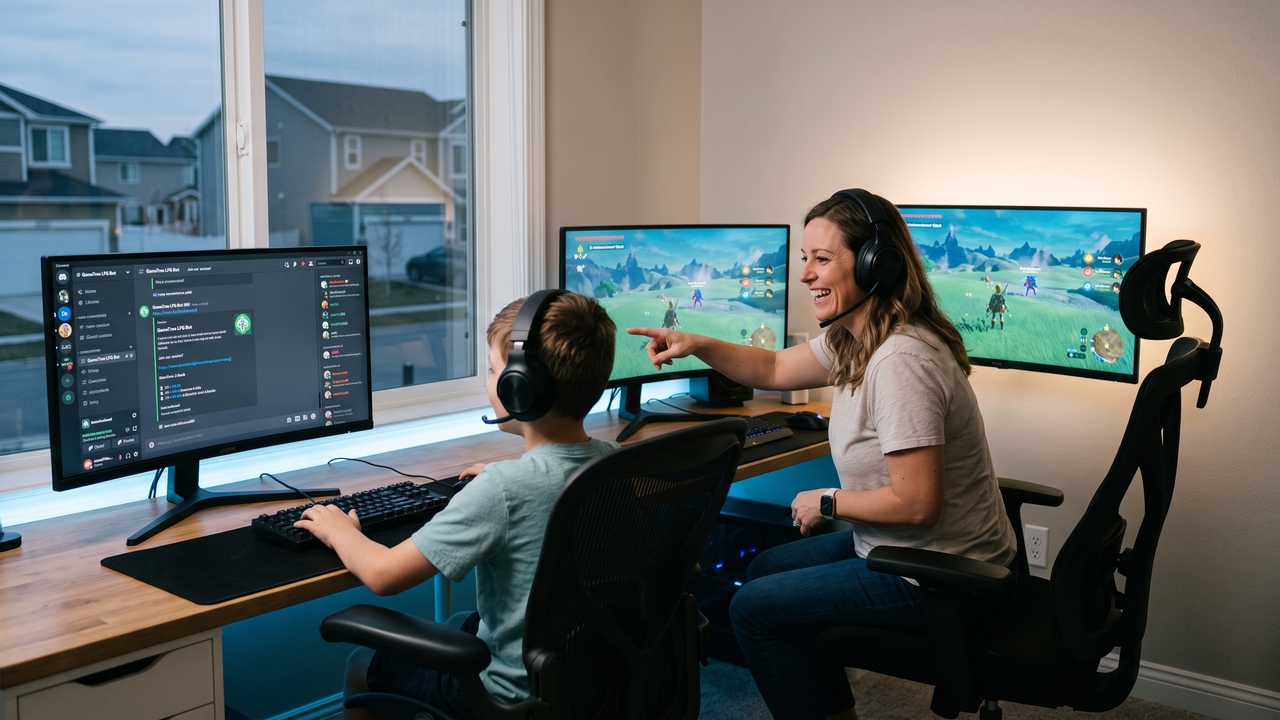
A wave of parents entering their kids’ favorite online game spaces would have sounded unusual only a few years ago. Now, it’s a visible shift affecting the entire dynamic of online games. The rise isn’t just about curiosity or surveillance, it’s about shared interests, online safety awareness, and an evolving idea of digital social spaces.
The days when games were seen as a solitary or strictly kid-oriented activity are gone. Today, platforms make it easier than ever for multiple age groups to find their spot in a virtual world, be it through team-based quests, in-game building projects, or player-made events.
As parents take part, they gain firsthand insight into community guidelines and digital economies, including safer buying habits for in-game currency, access rights, and region restrictions.
Safety, Transparency, and the Parent Perspective
Genuine concerns about safety and legitimacy play a major role in why parents join these communities. Is Eneba safe and legit? In the context of digital marketplaces where games, gift cards, and add-ons are bought and sold, transparency is key.
Eneba gives buyers clear region tags for each product and verifies every merchant, creating a backdrop where families can check compatibility before committing to a purchase. The oversight offers an extra layer of buyer confidence, but parents are still encouraged to double-check product regions to fit their own accounts, especially in a world where VPN use can complicate purchase locations.
With resources now available on topics like the Eneba trust and transparency page, families can discuss best practices before making any purchases or trading digital goods.
Beyond product buying, active parental involvement helps kids and teens build smarter digital habits. Being present in online game communities lets parents model respectful behavior, spot problem areas, and talk about digital citizenship in the context where it matters most. When children see their guardians playing, chatting, and even buying safely, lessons about personal data and digital trade-offs land more effectively.
Where This Trend Is Leading
With family members increasingly playing the same titles and sharing virtual experiences, game publishers notice. Parents’ presence sparks new tools for shared progress tracking, kid-safe customizations, and intergenerational events designed to appeal across ages. Many game studios now work with community teams to hold Q&A sessions, guide parents on privacy or reporting tools, and welcome nontraditional players into the conversation.
Games are growing into dynamic hubs for family entertainment, casual learning, and real connection. That push for clear, safe, and accessible experiences for all ages is altering both how communities moderate and how digital marketplaces operate. It’s not simply about children’s safety, but about trust, transparency, and reshaping how families interact with games.
That emphasis on trust and clear digital access has brought platforms like Eneba to the forefront, reflecting how the industry adapts to support confident, informed choices for every generation of players. For families and players looking to connect with like-minded, well-moderated groups, tools like the GameTree Discord LFG Bot offer a safe, seamless way to coordinate and play together.