






Live Dealer Game Shows: 7 Proven Trends to Love in 2026

The Evolution of Live Dealer Game Shows and the Rise of
Immersive Interactive Wheel Formats
Live dealer game shows have completely reshaped online entertainment. When live dealer
games first launched, the goal was simple: recreate the feeling of sitting at a blackjack or
roulette table without leaving home. A camera to stream the action and a professional dealer to
interact with players were enough, and live gaming technology quickly closed the gap between
land-based and online casinos.
Fast forward to today, and live casino rooms look completely different. The most popular live
dealer game shows now resemble television productions far more than traditional casino tables.
Giant props, charismatic hosts, augmented reality effects, and studio-quality production have
turned live gaming into a new form of interactive entertainment built for audiences raised on
Twitch, YouTube Live, and social media.
The Entertainment Industry’s Shift Toward Participation
Modern consumers are increasingly selective about how they spend their screen time. Passive
viewing still has its place, but audiences gravitate toward experiences that let them participate,
react, and engage in real time.
The rapid growth of live streaming over the past decade is a direct result of this shift. Viewers
want to be part of the experience, not just watch it. They want live reactions and genuine
community interaction.
Live dealer game shows fit that appetite perfectly. Titles like Dream Catcher, Monopoly Live,
and Crazy Time borrow heavily from television formats. Large, colourful wheels grab attention
instantly, a host guides the action, players bet at the same time, and outcomes appear in real
time and everyone shares those moments together.
Why Live Dealer Game Shows Are Booming
Beyond the spectacle, wheel-based live dealer game shows are far less intimidating than table
games such as poker or baccarat. Players grasp the basic idea within seconds, and bonus
features and multipliers add the unpredictability that keeps each session entertaining.
That accessibility is a major reason live dealer game shows have become one of the fastest
growing segments of the online entertainment industry.
Casino Studios That Look Like Television Sets
The earliest live streams were simple — a camera pointed at a table, a dealer ran the game,
and players watched from home. The biggest change has happened behind the scenes: the rise
of broadcast-quality production standards.
Presentation matters. Players now expect sharp visuals, entertaining hosts, and polished
production. Leading providers run enormous studios with multiple camera angles, professional
lighting rigs, sophisticated sound engineering, and full stage design. Some span thousands of
square feet and employ large production teams.
The hosts are central to the experience. Much like television presenters, they walk viewers
through gameplay, explain bonus rounds, lift engagement, and build a sense of community
among participants.
The Technology Behind Live Dealer Game Shows
Flashy decor and charismatic hosts draw the eye, but live dealer game shows depend on a
complex network of technologies running at once. High-definition video, real-time game
engines, cloud infrastructure, and interactive communication systems all work together to deliver
a smooth experience.
One of the most important is Optical Character Recognition (OCR). OCR systems automatically
read outcomes as they happen. When a wheel lands on a segment or a card is dealt on
camera, the software instantly identifies the result and pushes it to thousands of connected
devices within a fraction of a second. Without OCR, many of today’s live dealer experiences
simply would not exist.
Cloud-based systems handle the crowd. Thousands of participants may interact with the same
game at once, so advanced server infrastructure keeps every action synchronised without
delays or performance issues.
Augmented Reality Takes Centre Stage
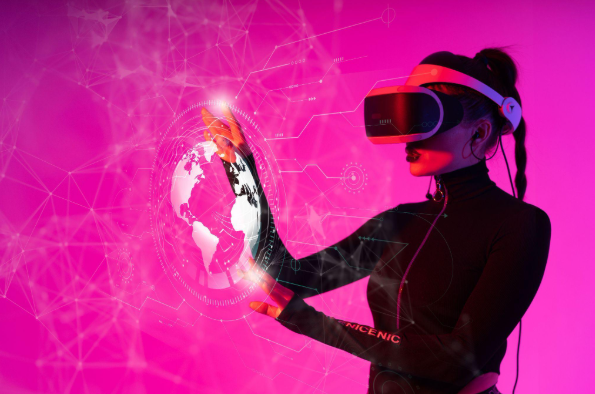
Another major driver is the growing use of augmented reality (AR). Today’s broadcasts blend
physical studio sets with digital effects that appear seamlessly inside the live stream. Hosts
interact with animated graphics, bonus rounds unfold across virtual environments, and
multipliers appear on screen without breaking the realism of the presentation.
Combining physical and digital elements creates a more immersive experience than either
approach could achieve alone, much like the real-time graphics and data overlays viewers
see during major sporting events.
AR also lets developers evolve their products quickly. New themes, bonus mechanics, and
visual effects can be introduced without rebuilding entire physical sets.
A New Category of Interactive Entertainment
Perhaps the most interesting part of this evolution is that live dealer game shows no longer
compete only with other casino games. They compete for attention alongside livestreams,
reality television, social media content, and interactive entertainment platforms.
That broad appeal explains why developers keep investing heavily in innovation. By blending
the excitement of classic game shows with real-time participation and digital gaming mechanics,
providers have effectively built an entirely new category of entertainment. For many players, the
draw is no longer just the outcome it is the spectacle, the atmosphere, and the feeling of
taking part in a live event.
The live wheel variants found inside a premium US online casino like BetMGM are a prime
example of how modern software providers are creating entirely new genres of interactive
entertainment.
Players must be at least 21 years old and physically located within Michigan, New Jersey, Pennsylvania, or West Virginia.
From Casino Game to a Unique Experience
Audiences increasingly want interaction hosts, communities, live reactions, and experiences
that feel fresh every time they log in. Live dealer game shows have answered those
expectations by combining television production standards, advanced software systems, and
interactive gameplay in a single package.
As augmented reality, cloud infrastructure, and real-time engagement tools continue to improve,
live dealer game shows are likely to grow even more sophisticated. The future may bring virtual
reality environments, personalised viewing options, and deeper audience participation.
One thing is clear: the best live dealer game shows already look like the next generation of
interactive entertainment.