






How to Keep Your MTG Deck in Top Condition
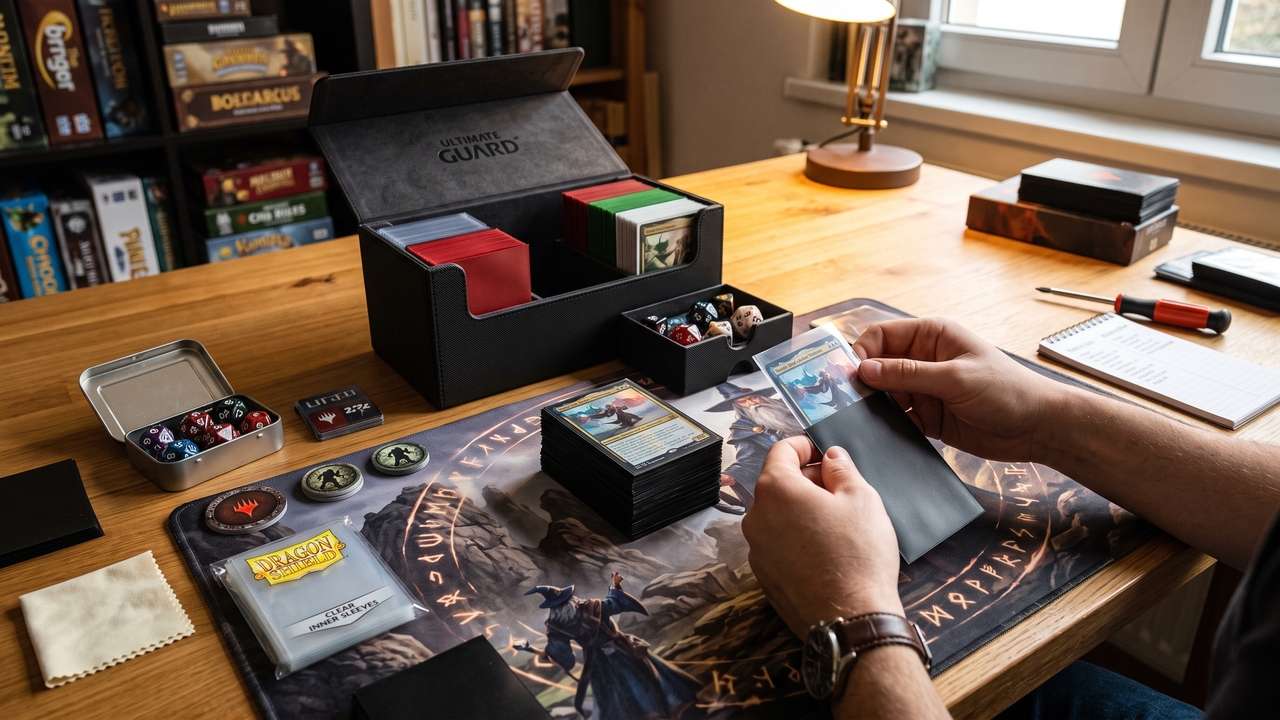
A Magic: The Gathering deck can go through a surprising amount of wear. Regular shuffling, transportation, tournament play, moisture, dirty tables, and constant sideboarding can gradually damage cards even when players handle them carefully.
Good deck maintenance is not complicated, but it needs to be consistent. Protecting the cards, storing them correctly, and replacing worn accessories can preserve both playability and condition while making the deck easier to use during long game nights.
1. Sleeve the Entire Deck
Sleeves create the first layer of protection between your cards and everything they encounter during play. Use sleeves that fit consistently and cover every card in the main deck and sideboard. Quality MTG card sleeves help protect surfaces and edges from fingerprints, dirt, friction, and repeated shuffling. Do not mix noticeably different sleeve conditions within the same deck. A heavily worn sleeve beside a new one may become recognizable from the back, which is particularly important to avoid if you play organized events.
2. Replace Sleeves Before They Fail
Players often wait until a sleeve splits before replacing it. By then, the entire set may already have bent corners, cloudy backs, scratches, or accumulated grime. Inspect sleeves periodically. If only one sleeve breaks during casual play, a temporary replacement may be enough. Before a tournament, however, inspect the entire set for consistency.
Replace Them When You Notice
- Split edges
- Bent corners
- Sticky surfaces
- Heavy scratching
- Noticeable discoloration
- Different sleeve lengths
- Backs that are easy to distinguish
3. Consider Double-Sleeving Valuable Decks
Double-sleeving adds an inner sleeve underneath the normal outer sleeve. This can provide additional protection against dirt, moisture, and minor spills. It is particularly useful for decks containing expensive cards, foils, older printings, or cards you expect to play for years. Make sure the inner and outer sleeves face opposite directions so the openings are not aligned. Double-sleeving makes the deck thicker, so check that your deck box has enough space without compressing the cards excessively.
4. Learn to Shuffle Without Damaging Cards
Aggressive shuffling causes unnecessary wear. Avoid bending the cards sharply or repeatedly forcing large sections together. Sleeved cards generally work well with controlled mash shuffling, where smaller groups are allowed to slide into one another. Do not push against resistance. If the sleeves keep catching, stop and straighten the deck rather than applying additional pressure. Practice your shuffle technique with inexpensive cards if necessary. A smoother shuffle protects the cards while also making gameplay faster.
5. Keep Food and Drinks Away
One spilled drink can damage an entire deck. Keep open cups and bottles away from the immediate playing surface. Bottles with secure lids are safer but should still remain outside the main card area. Food creates a different problem. Oil, crumbs, and residue transfer from fingers to sleeves quickly. Dirty sleeves can then collect additional dust and become difficult to shuffle. Wash and dry your hands before handling a valuable deck after eating.
6. Use a Proper Deck Box
Sleeves protect individual cards, but the entire deck still needs protection during transportation. Choose a box that keeps the cards upright without giving them enough room to move excessively. The deck should fit securely without being compressed. Avoid throwing an unboxed deck into a backpack. Books, laptops, water bottles, and other objects can bend cards or damage the deck box if everything is packed loosely. For decks with tokens, dice, and counters, use separate compartments where possible instead of forcing accessories against the cards.
7. Control Heat and Humidity
Trading cards are paper products and react to their environment. High humidity can contribute to curling and warping, while prolonged exposure to excessive heat or moisture can affect both cards and sleeves. Avoid storing decks in cars, garages, damp basements, or direct sunlight. Foil cards deserve particular attention because changes in humidity can make curling more noticeable. Store decks in a stable indoor environment and keep the cards supported inside sleeves and an appropriately sized box.
8. Keep Your Play Surface Clean
A playmat is useful for more than decoration. It creates a cleaner surface between your cards and tables that may contain dust, moisture, food residue, or rough textures. Clean the playmat periodically according to its material and care instructions. Before sitting down at an unfamiliar venue, check the table for sticky spots or spills. A few seconds of preparation can prevent an entire night of cards from picking up grime.
9. Keep Sideboard Cards in Matching Protection
The sideboard is part of the deck system. Do not protect the main deck carefully while leaving sideboard cards loose inside the deck box. Use matching sleeves and keep their condition similar. When cards move between the main deck and sideboard, inspect them to make sure one group has not developed noticeably different wear. This is particularly important when the same deck is played frequently without receiving a complete sleeve replacement.
10. Prepare the Deck for Organized Play
Tournament preparation should include more than checking the deck list. Inspect every sleeve under good lighting and replace anything that looks significantly different from the rest. Count the deck and sideboard. Make sure any required tokens, counters, dice, or other gameplay accessories are organized before leaving home. Wizards of the Coast maintains its current Magic Tournament Rules and documentation, which players can review before attending organized events. Checking the latest documentation is useful if you are unsure about deck presentation, sleeves, tournament procedures, or other event requirements.
11. Separate Tokens From Playable Cards
Tokens can create confusion if they are mixed directly with the main deck or sideboard. Give them their own compartment or use visually distinct sleeves. The same applies to reminder cards and other game accessories. This keeps setup faster and reduces the chance that a token accidentally gets shuffled into the library during cleanup between games. For decks generating many different tokens, organize them before game night instead of searching through a large unsorted pile during play.
12. Organize and Identify Your Deck Bag
Players who carry several decks, binders, playmats, dice, and accessories may benefit from a dedicated gaming bag rather than placing everything loosely into a general backpack. Use separate compartments for deck boxes and liquids, and avoid storing heavy items directly on top of cards. If several players use similar bags or your gaming group travels together, printed patches can also be attached to suitable fabric bags or cases to make your gear easier to identify while adding a personal deck, guild, or gaming-group theme. Keep decorative accessories on the outside of the carrying case rather than attaching anything directly to card storage that could create pressure against the cards.
13. Check Cards After Heavy Use
A deck that sees several matches every week needs more maintenance than one played once a month. After tournaments or long Commander sessions, take a minute to inspect it. Look for cards that have shifted inside sleeves, damaged corners, debris inside sleeves, or foil cards beginning to curl noticeably. Clean or replace accessories as needed. Catching minor problems early is much easier than discovering damage after months of heavy use.
Create a Simple Deck Maintenance Routine
Keeping an MTG deck in top condition does not require treating every card like a museum piece. Use consistent sleeves, replace them when they become worn, shuffle carefully, store the deck in a secure box, and keep food, moisture, excessive heat, and dirty surfaces away from the cards. Pay extra attention to expensive cards and decks that travel frequently. A few minutes of routine maintenance can extend the life of the cards and accessories while keeping the deck comfortable to shuffle, easy to organize, and ready for the next game.
Looking for a playgroup to test your deck upgrades? Find players in your favorite servers using the GameTree Discord LFG bot.