






Gaming vs Studying: 7 Crucial Reasons You Lose Focus
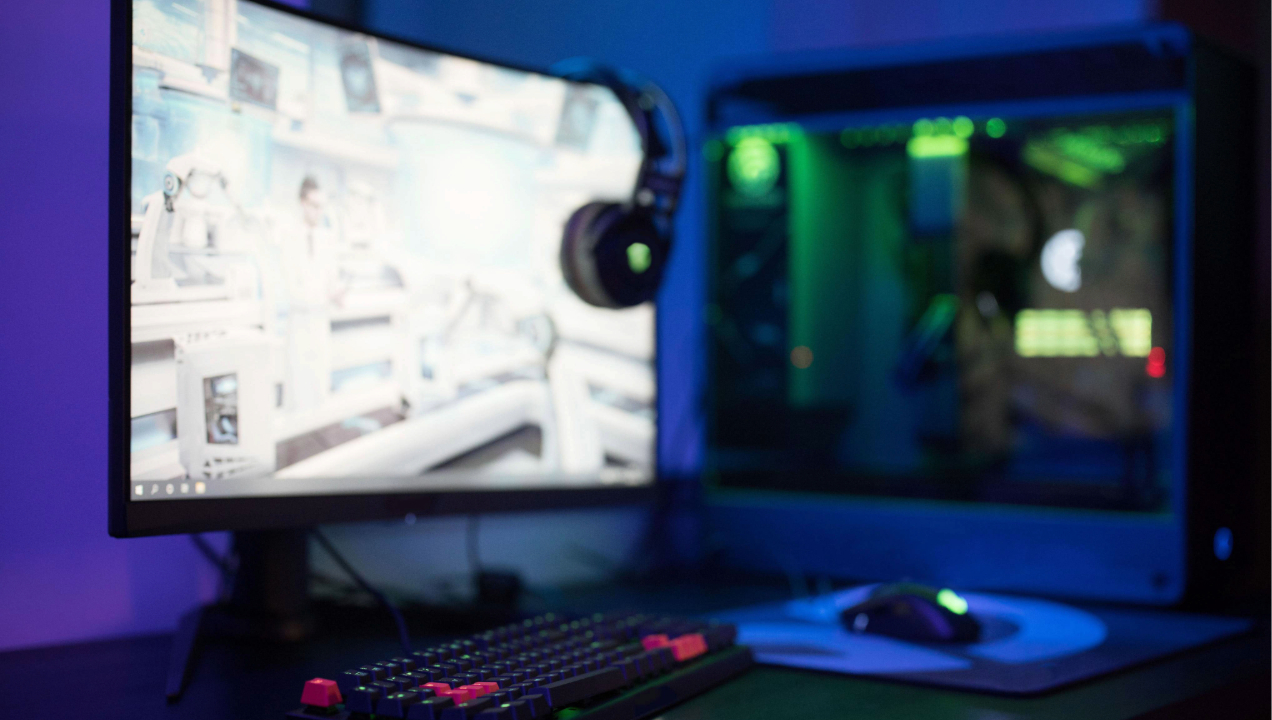
The Reality of Gaming vs Studying
You did it again last night: you spent six to eight hours locked into a game, completely focused, and never once checked your phone. Yet, this morning, you sat down to read a single textbook chapter and lasted barely fifteen minutes before looking for a snack or texting a friend.
This stark contrast between gaming vs studying highlights a frustrating reality for many students. It was the exact same brain with the identical concentration capacity that thrived at 2 a.m. Therefore, it is absolutely worth asking what actually changed between the two sessions.
You’re Not That Lazy
Here is the reframe that changes everything, and it starts with understanding why the comparison was never fair in the first place. Seeing this gap between games and studying helps students stop blaming their own willpower, ask EssayPro write paper for me, teachers, and start looking at the real culprit, which is the task itself. The issue was never a broken brain or a missing work ethic, but a badly built activity dressed up as a personal failing.
Think about who actually made each of the two things you are comparing. A game is the product of a studio, sometimes hundreds of people, whose entire professional job is to hold your attention and keep you coming back for more. Every reward, every sound, and every difficulty spike was designed, tested, and tuned until it felt good to sit through. Your textbook, on the other hand, was written to be accurate rather than engaging, and nobody on that project lost a moment of sleep over whether you would want to keep reading. When you pit studying against gaming and lose, you are simply an amateur setup going up against a professional one.
What Games Do That Studying Doesn’t
This reframe changes everything, and it starts with understanding that the comparison was never fair to begin with. Recognizing this gap allows students to stop blaming their willpower, their teachers, or themselves. The real culprit is a poorly built activity disguised as a personal failing.
A game is created by a professional studio specifically to hold your attention and keep you coming back. Every sound, reward, and difficulty spike is carefully tested until it feels good. Conversely, your textbook was written for accuracy rather than engagement, and nobody worried about whether you would want to keep reading.
When you pit an amateur setup against a professional one, the outcome is obvious. If you want to learn more about optimizing your habits.
Once you stop viewing games as the enemy and see them as experts in engagement, their tricks become obvious. Games are built around specific mechanics that keep your brain locked in. Most study sessions are missing these crucial levers:
- A clear next objective: Games provide exact instructions on what to do next, while textbooks present a wall of text with no obvious first move.
- Visible progress: Games use experience bars and completion percentages to show you inching forward. An hour of reading offers no immediate visual proof that it happened.
- Immediate feedback: Games respond instantly when you land a hit or solve a puzzle, but a graded essay might take three weeks to come back.
- Difficulty that keeps you in flow: Good games balance difficulty so you are neither bored nor frustrated, a balance textbooks rarely attempt.
- Failure that costs almost nothing: In a game, mistakes simply mean respawning seconds later, whereas academic mistakes feel like permanent, high-stakes disasters.
The Elusive Study Dopamine
It is a common myth that games spike your dopamine while studying does not. The reality of the gaming vs studying dynamic is that studying also releases plenty of dopamine, particularly when a difficult concept finally clicks. The true difference lies in the timing and certainty of the reward, rather than the chemical itself.
Games constantly hand you small, guaranteed rewards on a reliable schedule. Studying offers a massive reward, such as a good grade or deep understanding, but that payoff is distant, uncertain, and sitting weeks away behind an exam.
Faced with a choice between a small, near-certain reward now and a big, uncertain reward later, your brain rationally prefers the sure thing. You can explore exactly how this works in this scientific overview of the brain’s reward system.

How to Jack Up Your Studying
The good news is that you can rebuild these engaging mechanics into your study routine. This closes the gaming vs studying gap without demanding any extra willpower. You are simply redesigning a poorly built task so it stops working against you.
Here is how to apply game mechanics to your books:
- Turn vague goals into concrete bullet points: Plan to answer ten practice questions instead of just “studying a chapter” so you have a clear start and finish.
- Make your progress visible: Physically tick off a checklist, track your study minutes, or build a streak to mimic an experience bar.
- Get your feedback immediately: Use active recall and practice problems instead of passive reading to instantly see what stuck.
- Study at the edge of your ability: Find the flow zone by tackling material that is challenging but doable, and adjust as needed.
- Treat wrong answers as reps: View a missed question as a guide for what to review next, not proof of failure, to lower the stakes.
How Gaming vs Studying Breaks Down
It would be dishonest to end there, because the exact design that makes games engaging also makes them easy to overdo. Studios optimize for engagement above all else, which is why a quick session can easily devour your entire evening.
The goal is not to make studying incredibly addictive, as that would just trade one problem for another. Instead, the aim is to remove pointless friction while maintaining the high stakes and substance that make studying valuable.
Gaming can actually hold a healthy place in your schedule. Used deliberately, a game becomes the reward you unlock after a study block, rather than the distraction that swallows your time. When you are finally ready to unwind and connect with a vibrant community, using a Discord LFG bot helps you find a solid squad instantly so you are not wasting your earned break searching for players.
You Always Had the Focus
Think back to that eight-hour gaming session for a second. It is direct proof that you already possess the capacity for deep, sustained focus.
You never lacked concentration; you were just missing the proper design to aim it at something productive. Borrow that design to master the gaming vs studying dynamic, and you will find the effort you assumed you lacked was there all along.