






Beyond Discounts: 7 Ways Retailers Can Use QR Codes to Engage Black Friday Shoppers
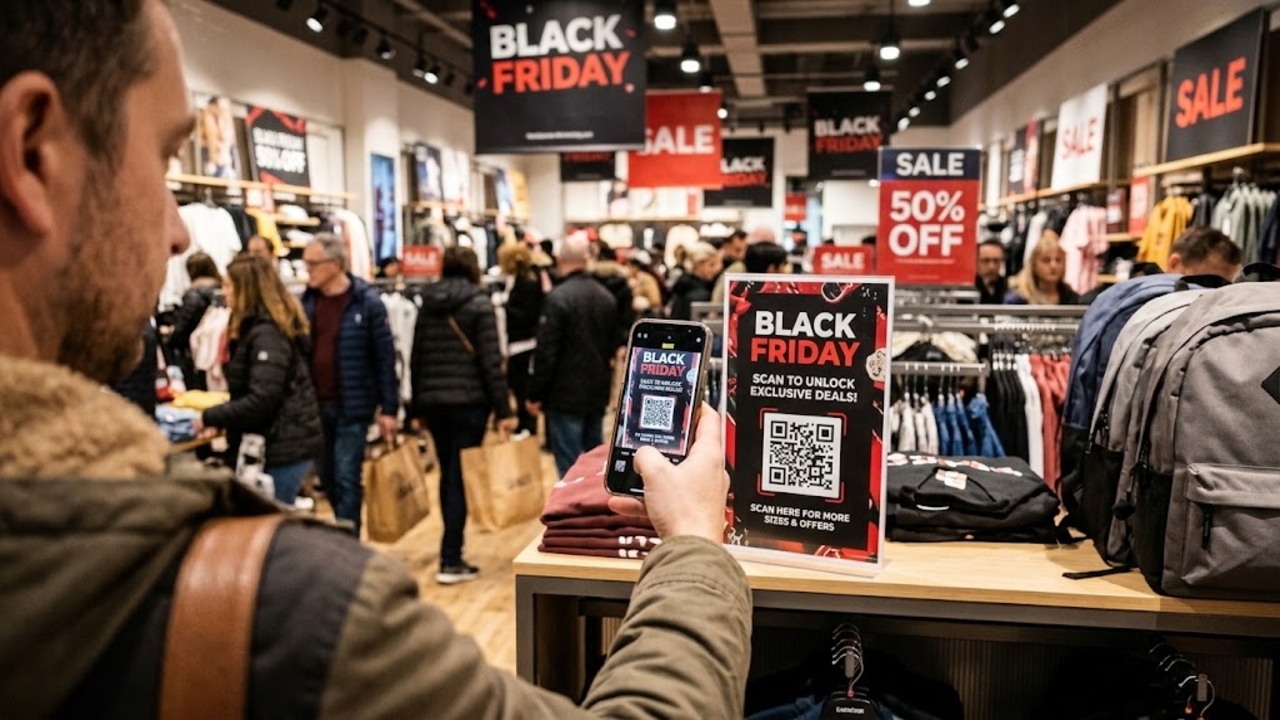
Black Friday is a time when shoppers converge to find good deals, and retailers vie for them. Discounts are still a key component of the event; however, consumers are looking for convenient experiences, helpful information, and customized offers. Price tags aren’t enough to make retailers stand out.
QR codes are an easy-to-use tool for bridging the gap between the physical and digital worlds. Consumers can scan a code using their smartphone to get product details, exclusive offers, and communicate with a brand without needing to download a new app. QR codes can be a creative and convenient way to enhance Black Friday shopping with a little creativity, planning, and the right codes.
Take a look at the seven practical strategies for implementing them.
1. Offer Exclusive Discounts Through QR Codes
Black Friday is all about discounts, but those discounts can be more interactive by sharing selected offers via QR codes. Rather than have individual posters, businesses can put scannable codes on product displays, their storefront windows, or promotional materials.
Clothing stores might put a QR code in the front of the store to offer an extra discount to customers who scan it. An alternative might be to have a special promotion on a certain product which will make customers browse the other areas of the store.
This is a way of gaining mystery and allows for another way of gauging interest in the product. Businesses can find out what promotions are being watched by monitoring the scans and the redemptions.
2. Connect In-Store Shoppers with Online Deals
It is not always easy for customers to find the product they are looking for on the shelves of a store. Products can be out of stock in a specific size, color, or model, particularly around the busy Black Friday season. QR codes can help retailers prevent a loss of these potential sales.
A QR code can be positioned next to a product providing the user with a link to the online listing, an indication of product options, and the ability to make a purchase from their phone. For example, a user seeking a particular pair of shoes could read a code and place an order for the same size shoes which may not be on display in the store.
This provides an improved shopping experience and enables businesses to integrate the offline and online sales avenues.
3. Provide Instant Access to Product Information
Black Friday can be a very busy day for store personnel and it is common that they don’t have enough time to respond to all the questions their customers may have. QR codes can provide key product details without needing to wait for customers to be helped.
Retailers can attach codes to product descriptions, comparison charts, demonstration videos, or customer reviews. If a consumer is thinking about buying two coffee makers, for instance, they might be able to read the labels to determine the features, sizes, and any extras that they might include in the purchase.
This information is useful for customers to make informed decisions. It can also ease confusion and help to improve shopping in packed stores.
4. Create Interactive In-Store Experiences
QR codes don’t have to be used just for discounts or product pages. They can also bring fun elements that will have an effect on customers to stay longer with a brand.
Retailers could also hold a Black Friday scavenger hunt, with customers scanning codes located in various parts of the store to find discounts and/or digital rewards. For instance, a beauty shop might affix codes to certain items to provide tutorials on beauty or skincare.
These experiences enable customers to have a more memorable shopping experience than just browsing down the aisles. They also help people to navigate to try other products and find something they wouldn’t have seen otherwise.
5. Make Loyalty Programs Easier to Access
Black Friday is a great time to reach new customers and boost loyalty of old customers. QR codes can streamline the steps for joining a loyalty program, accumulating rewards, or access to member benefits.
In the same vein, rather than forcing the consumer to go through a long form of registration, retailers can point them to a mobile-friendly sign-up page with a quick glance. Existing members were also able to scan codes at the checkout to log in to their accounts or to earn rewards.
A grocery store might give extra points to the customers who scan a special code at check-out and buy certain items. This will not only provide instant interaction, but also will motivate the shoppers to come back after the Black Friday sales.
6. Simplify Payments and Checkout
Long lines at checkouts are a recurring problem when shopping during a big sale. QR codes don’t tackle every staffing or payment challenge, but they’re an excellent way for retailers to add a more convenient purchasing option.
QR codes can be used to direct customers to supported mobile payment services or pages for online checkout. In some stores, consumers might be able to scan a code for a product they want, add it to a mobile shopping cart, and pay using their cell phone.
Retailers exploring this approach as part of a Black Friday QR business strategy should make sure their payment pages are secure, mobile-friendly, and easy to navigate. Clear instructions are equally important, particularly for customers who are unfamiliar with scanning codes to make purchases.
7. Collect Customer Feedback and Improve Future Campaigns
Black Friday offers plenty of opportunities for retailers to engage with customers, so it’s a good time for retailers to gain insight into shoppers’ perceptions of their products and services.
QR codes can short-cut users to customer feedback forms, enabling the customer to provide feedback while they are still in the store. A retailer may have customers report on whether the promotions were helpful, how their checkouts went, or the products they wish to be on sale the next time.
Survey length is important to consider so customers are more likely to fill it out. Once retailers know the answers, they can determine what needs to be improved in their next advertisements, which can make them more relevant.
How to Get the Most Out of Black Friday QR Codes
To have a successful QR code campaign, you need to do more than put codes all around a store. Retailers should ensure that each scan is useful and customers are aware of what they are purchasing.
Some simple factors can make a difference:
- Clear calls to action: Let visitors know if they will get a discount if they scan or information about the product or other advantages.
- Optimise pages for mobile: Pages must load fast and be responsive on a mobile device.
- Position codes strategically: Make sure they are visible and accessible for shoppers to scan without hindering flow of customers.
- Test before launch: Ensure all codes, links, and promotions are working before you launch to avoid annoying customers during peak shopping hours.
During the campaign retailers should also be aware of and tracking any scan activity and customers’ engagement. These can assist them in knowing what strategies are effective and make any necessary adjustments to promotions.
Conclusion
QR codes provide a real solution for retailers to make Black Friday more interactive, convenient and engaging. Whether it’s exclusive promotions, product info, loyalty rewards, or customer feedback, there are numerous ways a simple scan can establish an important relationship between the physical and the digital worlds. From discounts and giveaways, to more opportunities for consumers to connect with brands, retailers can do so this Black Friday with just a little planning.