





How Mobile Legends Built One of the Most Active Gaming Communities in the World
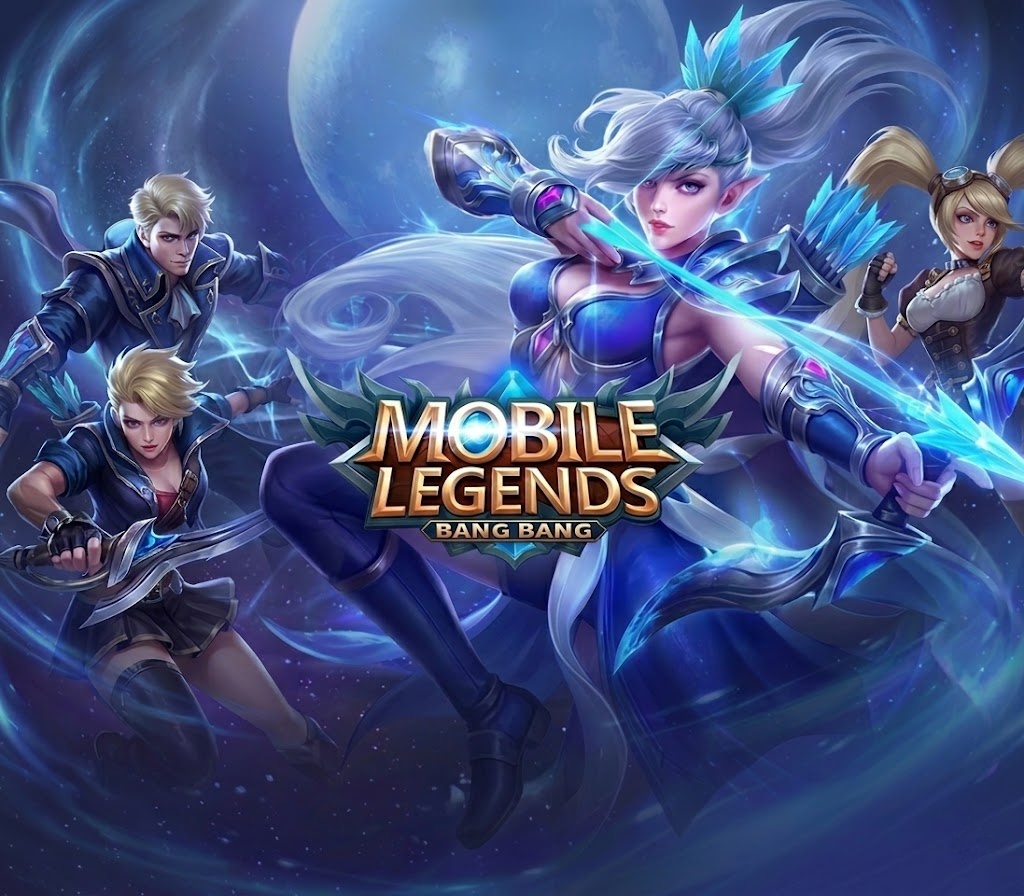
If you measure mobile MOBA success by raw active player numbers across the regions where they actually dominate, Mobile Legends: Bang Bang sits at the top of the category. The game’s grip on Southeast Asia, parts of South Asia, and a growing slice of Latin America is substantial enough that the community around it operates at a scale most Western gaming media still consistently underestimates. Daily player counts in the tens of millions, esports prize pools that rival what League of Legends pays out at regional tier, and a competitive ecosystem layered across hundreds of organized tournaments globally.
What makes the Mobile Legends community interesting from a community-building perspective is not just the size. It is the texture. The game has produced one of the most active player-to-player social ecosystems in mobile gaming, with squads, guilds, regional rivalries, and a constant flow of community-generated content that keeps engagement high even outside ranked play.
The Diamond Economy and What It Funds
Diamonds are Mobile Legends’ premium currency, used to acquire heroes, skins, emotes, and limited-time event items. The official path to diamonds is direct top-up through the in-game store. Many players also obtain them through community channels, third-party marketplaces, and regional payment methods that better match how they actually pay for digital goods in their country. The option to buy Mobile Legends diamonds through alternative channels exists at scale precisely because the game has so many active players, and because the in-game cosmetic economy is built to reward continued participation rather than one-off purchases.
The cosmetics layer matters more in Mobile Legends than in many comparable games because the social aspect of the title is so strong. Showing up in your squad with the latest skin, especially a legend tier or collector skin, communicates active engagement with the game in a way that the team you play with notices immediately. This is not strictly cosmetic in the way that, say, a Counter-Strike skin is. It is closer to wearing the right jersey in a pickup basketball game. The signal value is real.
What Drives Community Engagement
Several factors produce the unusual level of stickiness in this community:
- Match length is short enough that a session naturally accommodates social play. A typical match runs ten to fifteen minutes, which means a group of friends can play together in the small windows that most adults actually have available.
- The hero roster is large and continuously expanding. New heroes drop on a roughly monthly cadence, which keeps the meta fresh and gives players reasons to return to study new options.
- Regional servers create dense local communities. Players in the Philippines, Indonesia, Malaysia, and elsewhere are largely playing with other regional players, which produces shared language, shared meme culture, and a stronger sense of community than global matchmaking would create.