

7 Incredible Reasons Multiplayer Games Are Becoming the New “Third Place” for Gen Z
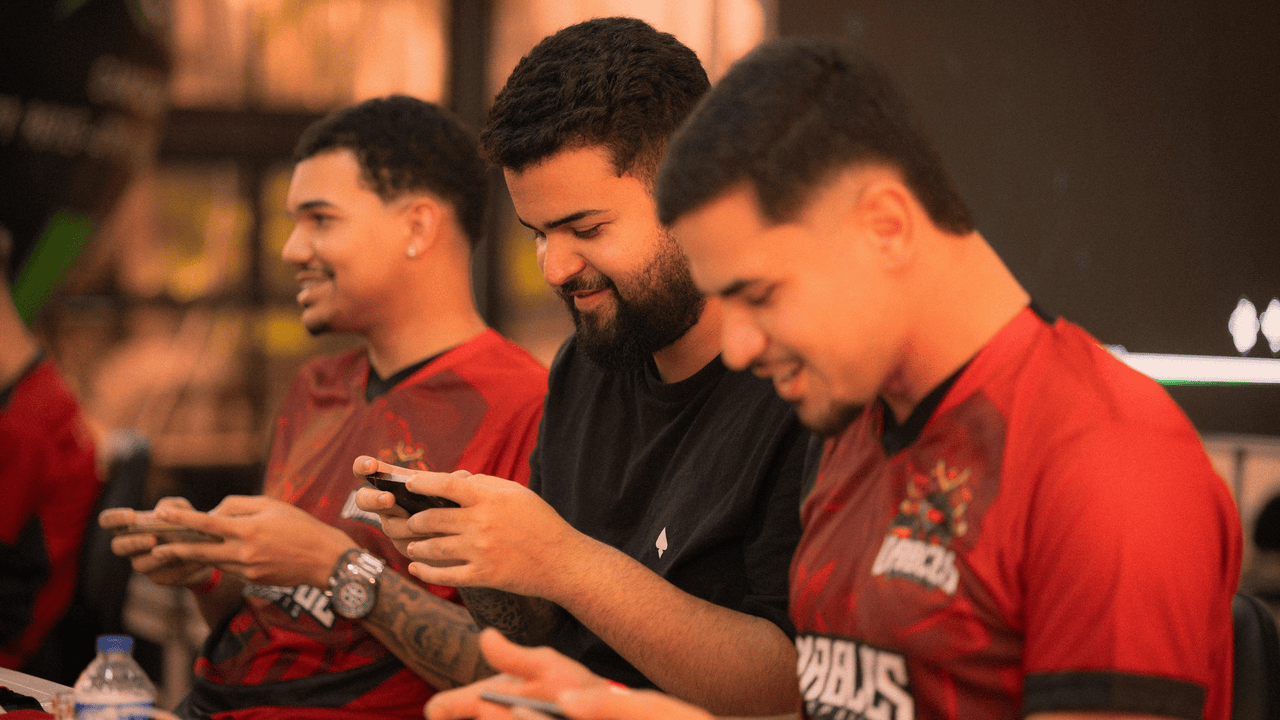
When it comes to multiplayer games, sometimes the least important part of a session is the game itself.
A group logs on in the evening, spends ten minutes deciding what to play, and gets distracted by a conversation about work or university. They finally start a match, then stay in voice chat long after anyone is seriously trying to win.
Someone joins late. Another person is eating dinner with their headset on. By the end of the night, relatively little may have been accomplished in-game. Yet the evening has served its purpose beautifully.
For a growing generation of players, multiplayer games are not simply entertainment products. They are also vital places to meet.
The game provides the activity, but conversation, routine, and a sense of belonging can be equally important. That makes modern multiplayer spaces surprisingly close to an older social idea: the “third place.”
The Third Place Has Moved Onto the Headset
The term “third place” is heavily associated with sociologist Ray Oldenburg, who used it to describe informal gathering spaces outside the two environments that dominate everyday life: home and work.
Traditionally, that might mean a café, pub, library, park, or neighborhood hangout. These are places people can visit regularly without needing a formal reason to be there.
A digital lobby clearly isn’t a physical café. But some of the behavior taking place inside one can feel remarkably familiar.
Regulars appear at roughly the same time. Conversation develops its own inside jokes and references. Newcomers are introduced. People may arrive without knowing exactly what they will do once everyone is together.
The comparison has limits, of course. Digital communities depend on devices, servers, and platforms, and access can be affected by technical or regional restrictions.
If you’re a player dealing with the latter, you may choose to download and set up a VPN on your device, for example. Meanwhile, connection quality, cross-platform support, and account systems can create other practical barriers.
Still, the important change isn’t technological. It’s behavioral. Multiplayer games have become a convenient reason for people to occupy the same social space without having to organize a conventional real-world social event.
Playing Multiplayer Games Together Gives Conversation Somewhere to Go
Face-to-face socializing can occasionally carry an invisible demand: if everyone has agreed to meet, everyone is expected to socialize continuously.
Multiplayer games remove a vast amount of that pressure because there’s always something else happening on the screen.
Silence doesn’t necessarily feel awkward when two people are gathering resources, exploring a map, or waiting for another round to begin.
Conversation can stop when the action becomes intense and restart naturally afterward. A player can be present without having to actively drive the discussion.
That makes cooperative multiplayer games particularly interesting as social environments. The shared objective creates a reason to communicate, but the quieter periods around it leave room for ordinary conversation.
Over time, the distinction between “gaming time” and “catching up with friends” becomes incredibly difficult to maintain.
The ritual matters too. A group that plays every Tuesday or gathers most evenings develops a rhythm similar to regulars at a local venue.
Players notice when somebody is missing. They remember who always arrives late or insists on one more match. The game becomes the reliable address at which the group knows it can find one another.
Some Multiplayer Games Create Connection Better Than Others
Putting several strangers into the same lobby doesn’t automatically create a community. Many multiplayer systems are designed strictly around speed.
A matchmaking queue assembles a team, the match happens, and everyone disappears into another queue. Even an excellent 30-minute game can leave almost no social trace if the players never encounter each other again.
Games that encourage longer-term cooperation work entirely differently. Shared progression gives players a reason to return to the same group.
Difficult objectives create stories that can be remembered and laughed about later. Downtime creates the perfect space for conversation. Most importantly, repeated encounters allow people to move beyond the narrow roles of “teammate” and “opponent.”
Co-op multiplayer games demonstrate this particularly well because the social experience often begins before the first session. Players need to understand how joining works, who is hosting, and whether everyone has reached the appropriate point in the game.
Practical resources, such as our internal guide to the multiplayer setup for Dying Light 2 Co-op, help remove that initial friction seamlessly. Once everyone is connected, however, the technical setup quickly fades into the background.
What remains is the shared experience: deciding where to go, helping someone who is struggling, laughing at a failed plan, and gradually developing a group dynamic.
That distinction truly matters. Multiplayer functionality allows people to play together. Social design gives them genuine reasons to want to do it again.
The Friendship No Longer Belongs to One Game
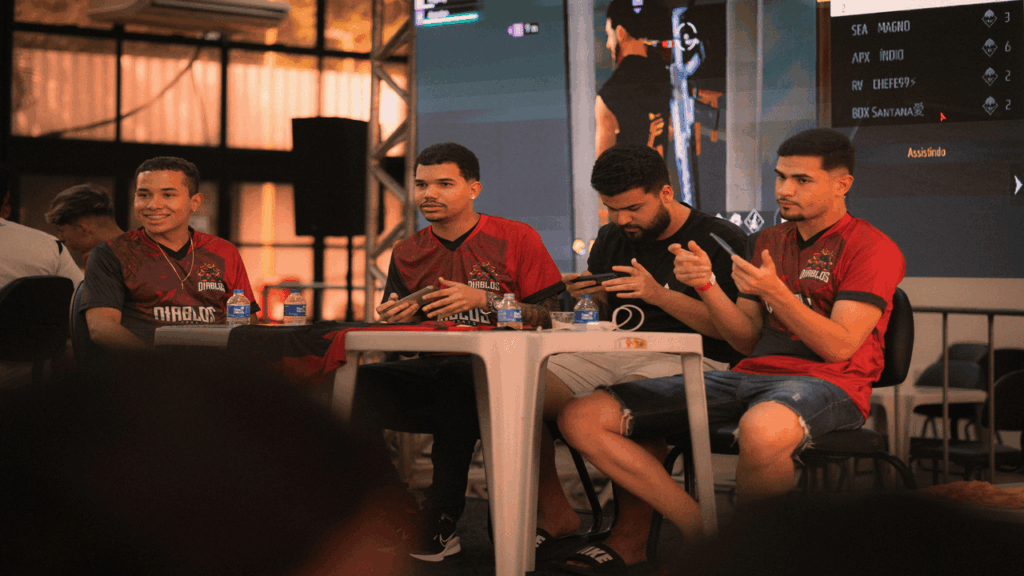
One of the clearest signs that multiplayer games have become genuine social environments appears when a group abandons the game that initially brought it together.
A friendship might begin because two players repeatedly meet in the same competitive title. Eventually, they add each other on another platform or join the same voice server.
Months later, neither may play the original game anymore. They could be exploring a survival game, trying a new co-op release, or simply talking while everyone plays something completely different.
At that point, the relationship has moved above the game. This is a critical difference between multiplayer games today and the older image of online play as a series of anonymous encounters.
Persistent friend lists, group chats, and voice platforms allow a social circle to carry over seamlessly between games. The title being played can change without ever dissolving the group.
It also changes what “choosing a game” actually means. The best game for a particular evening may not be the most critically acclaimed or mechanically sophisticated option.
It might simply be the one that comfortably accommodates six friends, allows late arrivals, and leaves enough breathing room for conversation. For these groups, social flexibility becomes part of game design, whether developers deliberately intended it or not.
Gen Z Treats Digital Friendship as Ordinary Friendship
This shift is particularly relevant when discussing Gen Z because gaming is hardly a niche activity within the generation.
According to eye-opening figures compiled from Deloitte’s 2025 Digital Media Trends survey, a massive 90% of Gen Z say they are gamers.
That incredible level of participation helps explain why gaming can function as social infrastructure rather than merely a hobby shared by a smaller subculture.
Younger players have also grown up effortlessly moving between different forms of digital communication.
A conversation can begin during a match, continue in a group chat the following morning, and return to voice chat that evening. Separating those interactions into “online friendship” and “real friendship” becomes increasingly artificial when the exact same people are involved throughout.
None of this means physical gathering places have become unnecessary. A digital lobby cannot reproduce every single quality of sitting across a table from someone.
Similarly, a physical café can’t allow six friends living in different countries to casually meet on a Wednesday night. The two forms of social life can easily coexist.
The more useful observation is that physical proximity is simply no longer required for the kind of repeated, informal contact from which many lasting friendships grow.
The Next Social Game May Need More Than Matchmaking
For developers creating multiplayer games, the interesting challenge is no longer simply how to efficiently put players into matches. It’s about helping compatible people recognize each other and stay connected long afterward.
Traditional matchmaking tends to prioritize measurable variables: skill, region, latency, team size, and queue time.
Those things absolutely matter when constructing a fair match, but they reveal surprisingly little about whether two people will actually enjoy spending three evenings a week together.
Social compatibility is much messier. Some players want highly competitive teammates, while others just want relaxed conversation.
One person enjoys teaching beginners, while another has little patience for mistakes. Some prefer microphones and constant chatter; others communicate sparingly.
The future of social multiplayer design may therefore depend partly on creating better bridges between strangers and regular groups.
Useful community tools, clearer expectations, and easier ways to reconnect after a good session can matter almost as much as the matchmaking algorithm that created the encounter in the first place.
The most successful social spaces have rarely been defined only by what people can do there. They become meaningful because of who keeps coming back.
For Gen Z, that familiar place may sometimes have a physical address. On other nights, it may be a lobby, a server, or a co-op world that exists only when the group logs in to play multiplayer games.
The scenery is digital, but the beautiful ritual showing up, recognizing the regulars, and staying far longer than planned—is remarkably familiar.
Whether your server is focused on casual co-op or highly competitive ranked climbs, the right tools make all the difference. The GameTree Discord LFG bot streamlines scheduling, automates group finding, and fosters long-term friendships across your community. Bring your members closer together and transform how your server plays.
Build your ultimate gaming hub. Get Started with the GameTree Bot.