





Is a Well-Rounded Hobby Life the Missing Ingredient in Gaming Friendships
The idea that more shared gaming time is the best route to closer friendship overlooks other ways to connect. Give the relationship room beyond scheduled sessions, with other interests providing fresh ways to talk and spend time together.
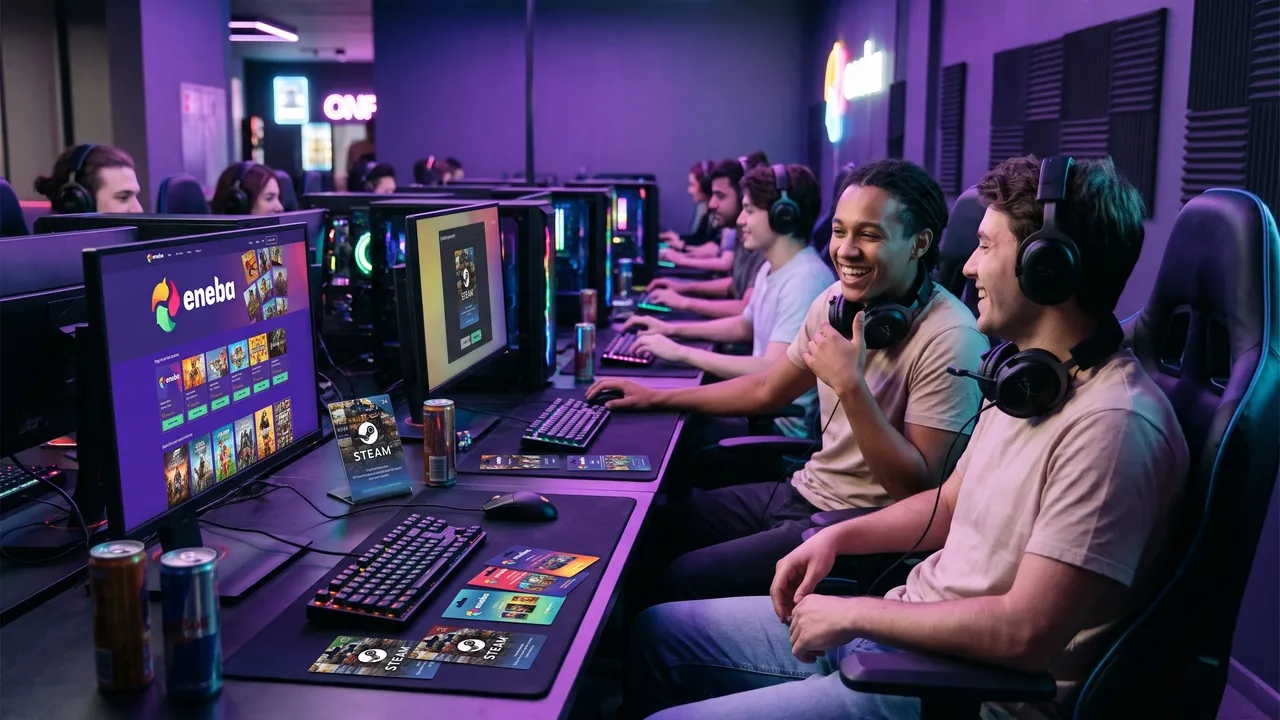
A seasonal search for Black Friday Steam keys might prompt friends to plan a new game together. That shared choice can sit alongside other conversations, from a recipe someone tried to a creative project they want to finish.
Give the Friendship More Ways to Connect
Gaming friendships can already offer companionship and support. Research on online gaming communities describes places where people maintain relationships and form new ones through play. Outside interests extend those possibilities rather than replacing the connection friends have built in a game.
A friend who enjoys cooking might share a recipe after a session, while someone interested in music might introduce a favorite song. Both exchanges give friends a glimpse of each other’s tastes. They also offer a starting point when there is no time for a full game.
Trying something together adds another option. Friends might choose a tabletop activity or collaborate on a creative project. Research has associated shared participation in novel, engaging activities with improved relationship quality, though it does not prove that every new activity will bring gaming friends closer. It suggests another route to connection beyond spending more time in a game.
The point is to create opportunities, not follow a formula. An invitation to a local event may appeal to one friend, while another prefers a quiet project at home. Ask what sounds enjoyable and let the answer shape the plan, rather than treating participation as a measure of friendship.
Separate hobbies can contribute to conversation, too. Hearing about a fitness routine might reveal how a friend organizes their week, while a project can show what they enjoy learning. Those details offer a fuller picture of a person than game performance alone can provide.
Make Space for Play and Other Interests
Start with an invitation that fits the friendship you already have. Friends who usually talk online can compare notes on a recipe or share progress on a project. Friends who live nearby might attend an event together, then return to their usual game another day.
Keep the invitation easy to decline. A shared activity need not become a regular commitment, and friends do not have to enjoy all the same things. Flexibility leaves room for different schedules and makes it easier to find an activity both people welcome.
Gaming still deserves its place in the mix. Friends can pick a title because it suits the time they have and sounds appealing to both, rather than assuming more play is the best path to closeness. Discussing the choice gives everyone a say in the plan.
Steam game keys are codes redeemed on Steam to access a game. Eneba is a digital marketplace with verified merchants, and checking a key’s region fit and intended platform helps friends choose one suited to their planned session.
Between sessions, a short message about a song or a project can keep a conversation going without requiring a long evening online. It gives the other person something specific to respond to and leaves space for support or a simple exchange of ideas.
The next step is to choose something to enjoy together, then make room for the next shared game. Digital marketplaces like Eneba offer deals on games, gaming top-up, and more, so friends can look for a game key suited to their platform and region.