





Gen.G and Bilibili Gaming Lead 19 Qualified Worlds Team
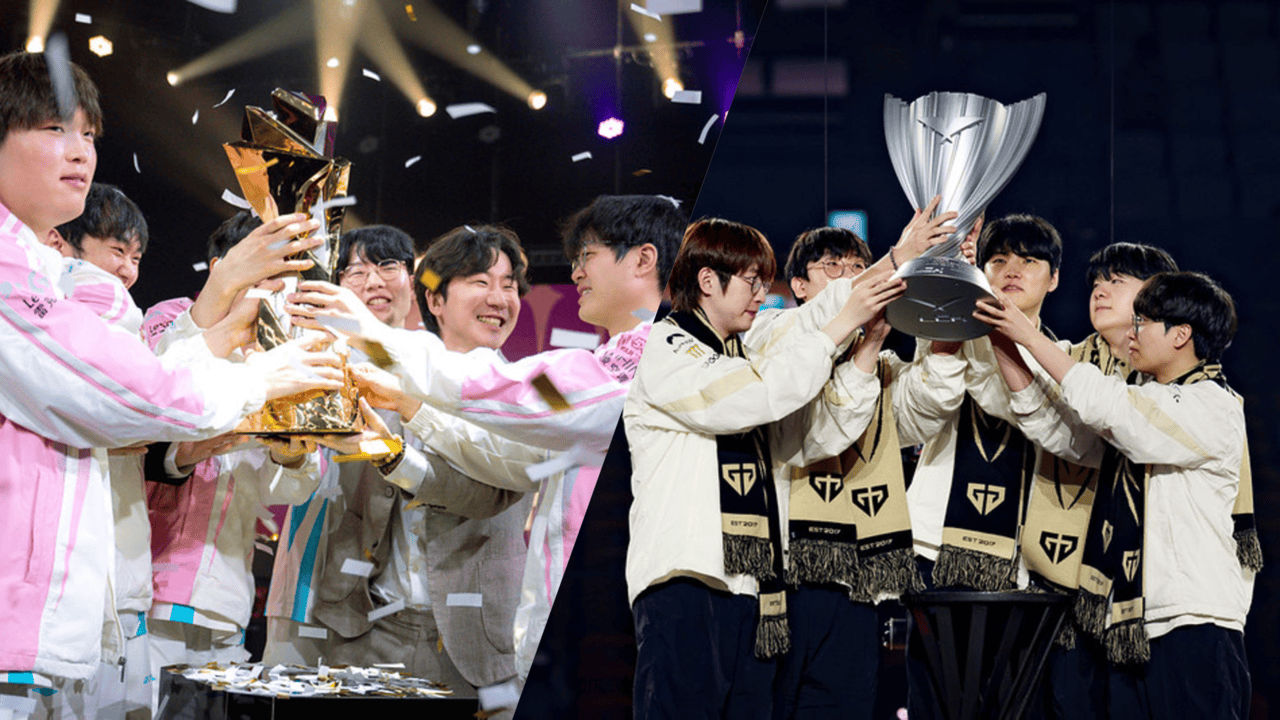
The conclusion of regional splits across the LCK and LPL has finalized the pool of title favorites for League of Legends’ premier tournament of the year. Watching the grand finals in Seoul and Shanghai, I see the gap between the Eastern frontrunners and the rest of the competitive landscape widening further. Gen.G and Bilibili Gaming enter the tournament as prime contenders for the Summoner’s Cup, showcasing intimidating consistency in macro play and drafting. The remaining rosters among the 19 confirmed participants look like chasers forced to match a foreign, punishing tempo. In this breakdown, I assess the form of Eastern heavyweights, evaluate Western hopes, and pinpoint key storylines ahead of the Swiss stage.
Gen.G’s stability throughout the competitive season leaves zero doubts regarding their international caliber. Canyon and Duro have established spotless map control through strict early neutral objective timings and dense vision setups, denying opponents any realistic late-game recovery routes. Analyzing matches from the Korean powerhouse, I see a calculated unit that rarely missteps around Baron Nashor due to coordinated support-jungle layering.
Bilibili Gaming delivers an equivalent level of pressure while utilizing a completely different tactical framework after securing China’s regional title. While bin methodically ties down adversaries on the side lane and generates massive split-push threat, their jungler accelerates match pacing with highly mobile picks and global ultimate coverage. Reviewing the confirmed participant field and seed distribution for lol worlds 2026 teams on analytical portals, the stark tempo contrast between Asia’s top seeds and international contenders stands out immediately. Any positional error against BLG yields swift cross-map punishment and wholesale jungle quadrant takeovers.
n my view, a grand final featuring these two organizations remains the most plausible tournament outcome. Both rosters feature massive champion depth and excel at forcing skirmishes around key two-item power spikes. Unless the tournament patch radically reshapes the meta, this Eastern duo will set the tactical rules for every challenger in attendance.
Mid-Tier Volatility and Latent Threats from Korea and China
Behind the clear frontrunners, a volatile battle brews among the second and third seeds of the LCK and LPL. Rosters like T1 and Top Esports weathered an inconsistent stretch across the domestic season, alternating between masterclass series and unforced drafting miscalculations. Faker’s international LAN experience remains an invaluable asset, but the lineup’s active form repeatedly falters when confronted with disciplined sidelane pressure.
eams of Invictus Gaming’s or Dplus KIA’s caliber possess the raw individual ceiling to dismantle top-tier opponents across grueling Bo5 series, yet game-to-game consistency remains their central flaw. I frequently notice that after a dominant game one, they surrender map initiative through reckless draft compositions or early neutral objective concessions. When veterans like ShowMaker or Rookie catch fire, these squads can make deep playoff runs, but their tendency to trade brilliant teamfights for unforced positioning mistakes keeps them outside the tier of lock-in title favorites.
Even so, writing off the lower tier of the Eastern contingent would be a massive mistake. As confirmed by tournament seedings on Leaguepedia, the Swiss system format means a single upset during the opening rounds can completely invert playoff seeding. These mid-tier Asian rosters will serve as the ultimate gatekeepers for Western hopefuls across Europe and North America.
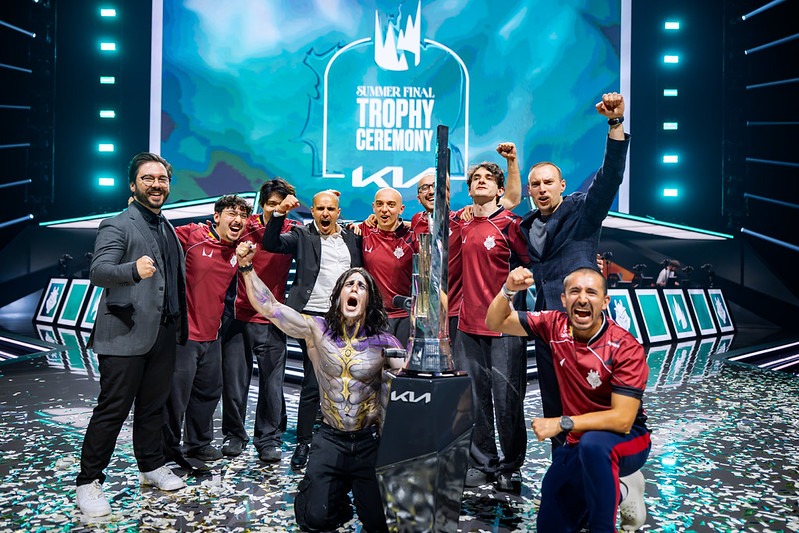
Writing off the European region ahead of the tournament would be short-sighted. Over the course of this competitive season, EMEA rosters have proven their international mettle: G2 Esports’ run to the First Stand final alongside Karmine Corp’s title victory at the Esports World Cup established that Europe can take down Eastern heavyweights in knockout sets. G2 Esports rely on deep veteran poise and mature macro execution, with the lineup under Caps reading vulnerabilities instantly to punish drafting gaps and positional errors. Karmine Corp, by contrast, dictate a ferocious tempo behind individual mechanical prowess, repeatedly proving throughout the year that they can maintain composure and claw back deficits from severely losing board states.
At the same time, the performance disparity within the West remains impossible to ignore. While European frontrunners approach international fixtures from a position of authority and distinct macro identity, North American squads like FlyQuest and Team Liquid lack strategic breadth. Against disciplined Korean and Chinese opposition, the predictable setups favored by LCS representatives shatter against cross-map trades, leaving them zero leeway for late-game comebacks.
Even so, Europe’s active trajectory radically alters expectations for the Swiss stage. These rosters no longer enter as passive underdogs praying for fortunate bracket draws; they represent genuine threats for deep playoff brackets. Should G2 and Karmine Corp preserve their late-game teamfighting discipline while continuing to field off-meta curveballs, replicating their mid-season achievements and challenging for a finals berth remains a viable target.
The Impact of the Swiss System on the Balance of Power
The Swiss-system format injects acute volatility into the tournament, turning opening Bo1 fixtures into a high-risk minefield for top-tier favorites. Across a single game, variance skyrockets: an underdog can steal a match off a coordinated level-one invade, an unexpected signature pocket pick, or a decisive Rift Herald objective setup. Stumbling in an opening Bo1 instantly derails seeding for powerhouses like Gen.G or BLG, dumping them into lower pools against dangerous opponents and forcing them to reveal pocket strategies long before the knockout stage.
Transitioning to Bo3 series for decisive advancement and elimination rounds restores strategic control to the favorites, yet the cost of an early blunder remains punishing. Dropping to a 0-1 or 1-2 record saddles elite lineups with massive psychological baggage during elimination matches, where any single misread risks an early exit. At that stage, champion pool depth and coaching staff adaptability take over, demanding swift mid-series adjustments under intense clock pressure.
In my view, the early variance of Bo1 matchups has the power to completely upend the playoff bracket. Opening-round upsets often force tournament favorites into premature quarterfinal collisions, stripping the event of an anticipated grand final clash while clearing a path to the semifinals for fearless underdogs.
Conclusion
The upcoming World Championship stands to highlight the supreme execution of Eastern League of Legends, with Gen.G and Bilibili Gaming dictating the pace of the competition. The current baseline of coordination from both lineups establishes an unforgiving standard for the remaining 17 qualified rosters. The real question is not whether the field can match their raw dominance on paper, but who among the chasing pack can expose weaknesses in their armor. This tournament will settle the regional hierarchy once and for all, and the knockout stages will undoubtedly deliver masterclass competitive League of Legends.


![What Is the Best AI to Use for a RPG Story and Campaign Outline? [2026]](https://gametree.me/wp-content/uploads/2026/10/rpg_story_article_-300x169.jpg)