





Polish Gaming Market: 7 Amazing Facts You Need to Know
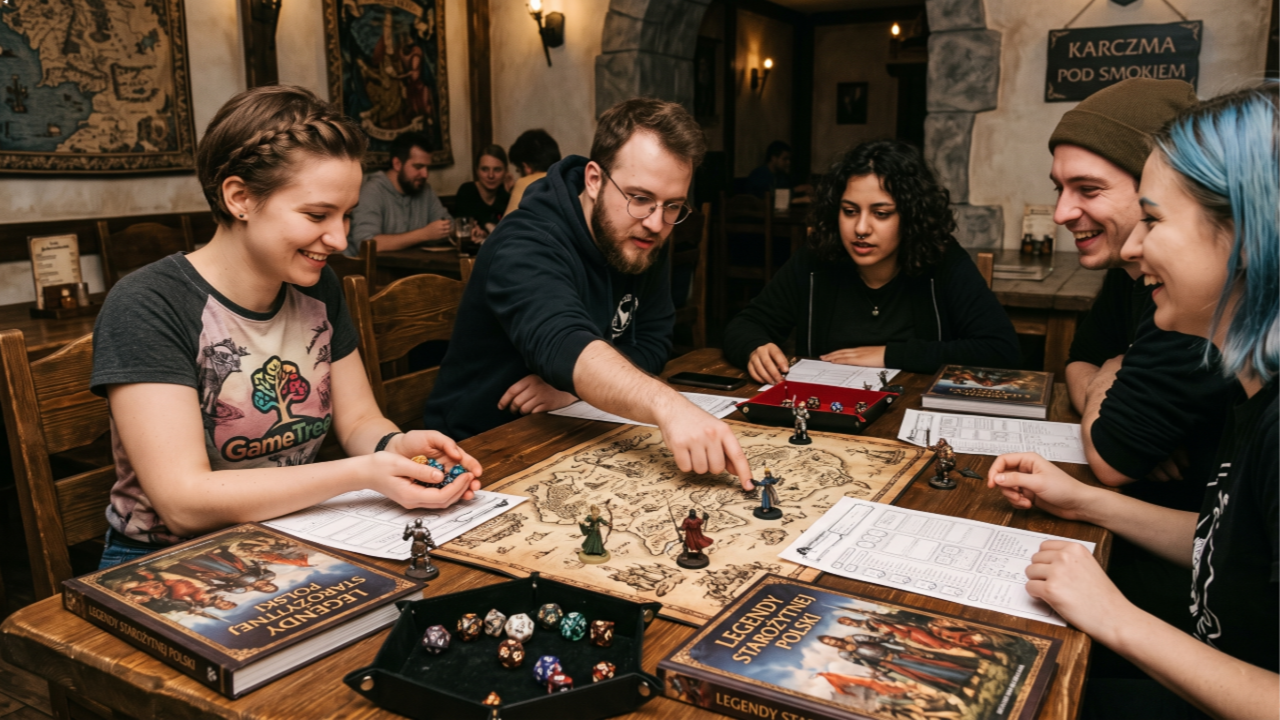
The Polish gaming market is rapidly becoming one of the most exciting hubs for digital entertainment in Europe. While Poland is often celebrated for its scenic landscapes, medieval architecture, and hearty pierogi, it is also home to nearly 38 million people. Surprisingly, around 20 million of these residents(approximately 50% of the population) play video games regularly, which proves that gaming is far from a niche hobby here.
The demographics of Poland offer significant clues into this trend. The country features a relatively young median age compared to much of Europe. This youthful demographic provides digital entertainment platforms with a massive pool of younger users who have grown up seamlessly integrated with smartphones, streaming services, and online communities.
The demographics of Poland offer significant clues into this trend. The country features a relatively young median age compared to much of Europe. This youthful demographic provides digital entertainment platforms with a massive pool of younger users who have grown up seamlessly integrated with smartphones, streaming services, and online communities.
Because gaming naturally overlaps with other forms of digital entertainment, players frequently participate in esports communities and LFG platforms. Since the local audience has such deeply established online habits, companies increasingly view it as a critical target for reaching digital consumers.
A Deep Dive into the Polish Gaming Market Audience
According to a 2018 study by the Polish Gamers Observatory, the audience in the Polish gaming market skews noticeably young. People aged 18 to 34 account for roughly 59% of Polish gamers. This statistic places a massive share of the audience in an age bracket that has carried their passion for gaming into their 20s and 30s.
Poland also boasts a standout game development industry of its own, reinforcing how deeply gaming is embedded in its national culture. In 2025, there were 824 active game studios in the country, employing a total of 14,586 people. Video games have evolved into one of the most prominent international cultural exports, with 97% of Polish game production being sold abroad.
These numbers speak volumes about the local culture, showcasing the large audience playing games and the well established industry making them. Polish players actively support a domestic industry and aren’t simply part of someone else’s gaming sphere. With incredible local studios and top tier talent, the Polish gaming market is fully equipped to continue supporting the medium at home. To the surprise of many, some of the most recognizable AAA games on the market, including The Witcher 3: Wild Hunt and Cyberpunk 2077, were developed in Poland.
How Polish Gamers Play
Smartphones are undeniably the most popular gaming devices in Poland. Out of the €1.21 billion spent on video games in 2025, mobile gaming accounted for the absolute largest share at €545 million.
Console games followed at €272 million, while PC games brought in €239 million. Mobile phones offer unparalleled convenience, allowing users to play from anywhere. Furthermore, they serve as a primary gateway for finding new games, watching content, and staying in touch with other players.
These interconnected habits align perfectly with how people play today. Gamers frequently switch between PCs, consoles, and mobile phones depending on the specific game, their current teammates, and the amount of free time at their disposal.
As gaming becomes increasingly social, LFG and matchmaking tools are growing in significance. Players are no longer relying strictly on the circles they used to find teammates. This shift is exactly where external platforms like GameTree step in to fill the gap, offering players an innovative way to discover compatible teammates. Thanks to such a large and highly connected population, there are limitless opportunities to meet new people outside of your immediate friend group.
Beyond Gaming: The Broader Digital Entertainment Sector
While gaming sits at the center of Poland’s online culture, it certainly isn’t the only medium competing for people’s attention. This exact same young audience—comprising Gen Z and younger millennials are heavily invested in watching esports, streaming television shows, following online creators, and using other popular digital platforms.
Because these activities attract the same audience, various forms of entertainment are becoming highly interconnected. Growth is highly visible across several categories. For instance, Poland features a robust streaming market led by global giants like Netflix and Disney+. Simultaneously, esports has developed a passionate following alongside traditional sports.
Online gambling is also on the rise, with regulated online casino activity accounting for 59% of Poland’s total gaming turnover in Q1 of 2025. This reflects an increase from 53% in Q1 of 2024. Overall online gambling revenue increased by 18% year over year during this same period. Analysts have pointed to an annual growth of 20% to 25% for the broader online gambling market as licensing continues to develop. This growth has drawn more attention to casino trends in Poland as consumers navigate a regulated market without the open licensing systems found elsewhere in Europe.
Interestingly, no single category is replacing another. Instead, they are all carving out room within the same audience’s leisure time and competing for the finite resource of free time. Consequently, the vast size and young age of the Polish gaming market are incredibly relevant for the entire digital entertainment industry. Entertainment companies get a substantial audience that’s already accustomed to spending its leisure time online.
Finding Your People in a 20 Million Player Market
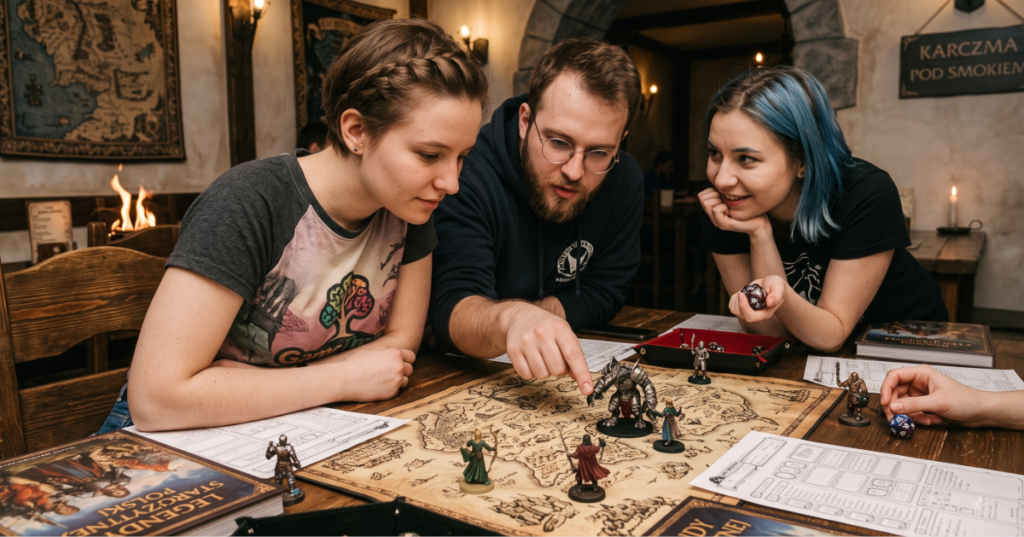
The sheer scale of the audience creates a unique set of challenges. With so many people playing, finding the right teammates isn’t necessarily getting easier. Those 20 million gamers are fragmented across different games, playstyles, genres, and devices.
This means a player’s potential pool of allies and opponents is enormously large, making it difficult to narrow down to people they are compatible with. The larger the gaming population, the more likely that those within it will be looking for different experiences. One player might spend their time playing competitive shooters, another might prefer co-op RPGs, and somebody else might jump between several genres.
Even within the exact same game, players can have completely different expectations around skill levels and competitiveness. Community and LFG platforms become so useful in these cases because they always provide a way to find people who fit what they’re looking for.
GameTree’s unique approach to matchmaking is especially relevant here. Rather than treating every player as interchangeable, the platform uses personality and playstyle data to match more compatible teammates and friends. Using AI matchmaking, you can get matched with players and coordinate live sessions via a Discord bot. The Scout gives you an instant shortcut so you don’t have to manually sort through profiles yourself. In a vibrant Polish gaming market, this level of sophisticated matchmaking is highly useful. Furthermore, because the country sits within a much larger European gaming ecosystem, cross border communities and multiplayer experiences are extremely common.
From Gaming Audience to Gaming Community
The standalone statistics in Poland are impressive on their own, as is the country’s long established game development industry and international reach. Although the size of the audience is clear, the more useful question is what it actually means for those building around it and for the players themselves.
While a market of this size may prompt the idea of reaching more players, volume alone isn’t always the answer. People still prioritize finding communities they feel comfortable in and playing games they genuinely enjoy. And with the number of platforms, games, and online entertainment options growing, helping people spot those genuine connections matters more than giving them more options.
Ultimately, the Polish gaming market provides a much more important lesson: a young, connected population can support an abundance of gaming communities and entertainment platforms at the same time. The challenge now is turning that massive audience into more personal, meaningful connections.
If you manage a community within the expansive Polish gaming market, or anywhere in the broader European ecosystem, streamlining how your players find each other is critical. You don’t have to rely on manual matchmaking to help your audience form these meaningful connections. Instead, you can automate and elevate your server’s capabilities directly where your players already hang out. Ready to bring intelligent, personality based matchmaking to your own server? Explore how you can transform your community’s engagement by adding the GameTree Discord LFG Bot today.